What Is the Difference Between a Funeral, Memorial Service, and Celebration of Life?
When families begin planning a service for a loved one, they often hear the terms funeral, memorial service, and celebration of life used interchangeably. While each option provides an opportunity to honor and remember someone, they are not the same.
A funeral typically takes place before burial or cremation and often follows a more traditional funeral format. A memorial service usually occurs after burial or cremation and gives families more flexibility in timing and location. A celebration of life focuses on memories, stories, and the unique life of the person being honored.
Understanding the difference between a funeral, memorial service, and celebration of life can help you choose an arrangement that reflects your loved one’s wishes, your family’s traditions, and the type of gathering that feels most meaningful.
Below, we’ll explain each option, compare the key differences, and help you think through which choice may feel right for your family.
Quick Answer: Funeral vs. Memorial Service vs. Celebration of Life
The main difference between a funeral, memorial service, and celebration of life comes down to timing, structure, and tone.
A funeral usually takes place before burial or cremation and often follows a more traditional or religious format. A memorial service usually happens after burial or cremation and gives families more flexibility. A celebration of life focuses more on stories, memories, personality, and the life the person lived.
Each option can give family and friends a meaningful way to gather, remember, and support one another. The right choice depends on your loved one’s wishes, your family’s traditions, and the type of service that feels most comforting.
What Is a Funeral Service?
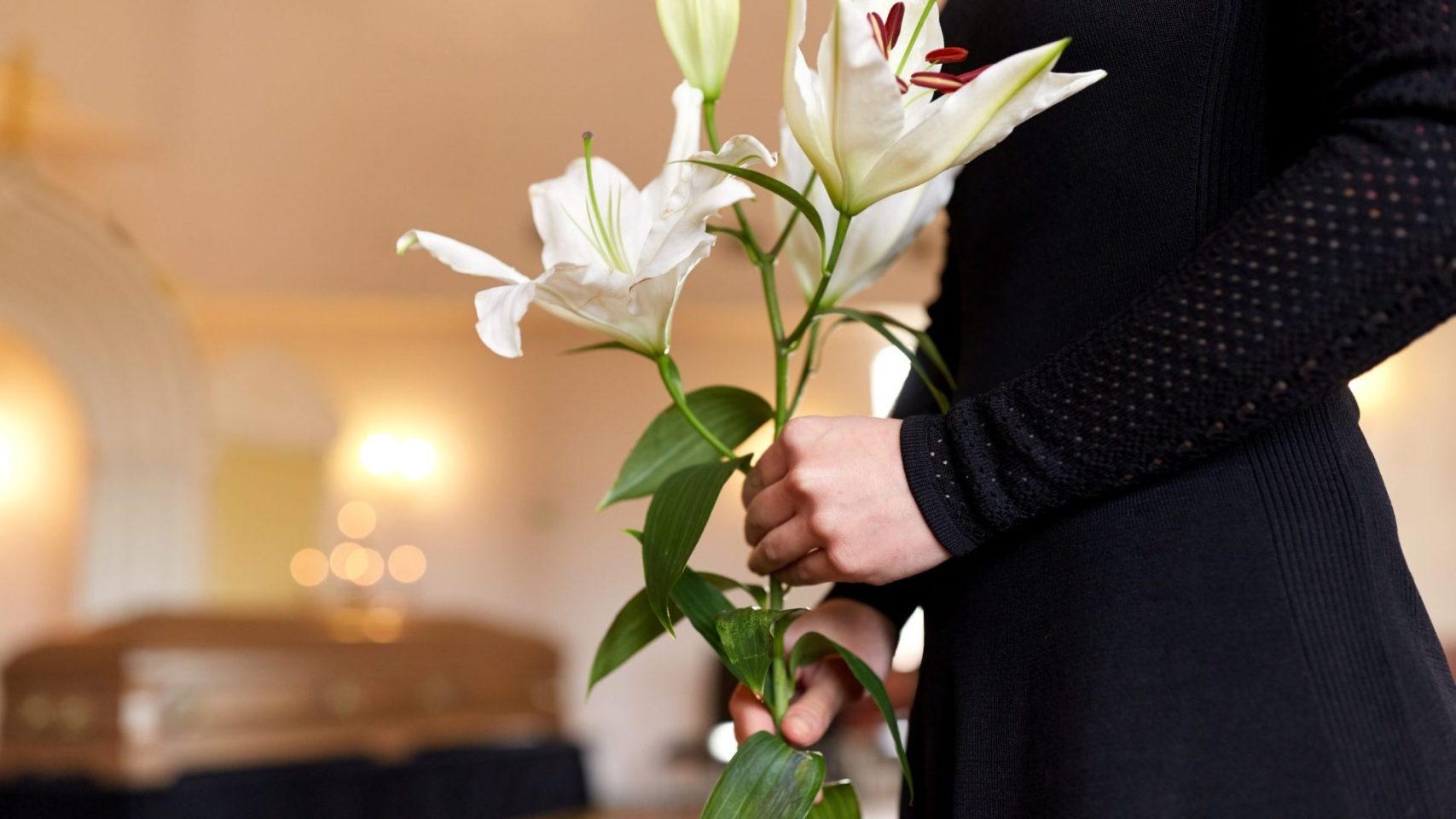
A funeral is a service that usually takes place before burial or cremation. It often follows a more traditional format and may include prayers, readings, music, a message from a pastor or officiant, and time for family and friends to gather.
Some families choose a funeral because it gives them a structured way to say goodbye. Others choose it because their faith, culture, or family traditions include specific customs before burial or cremation.
A funeral can take place at a church, funeral home, chapel, graveside, or another meaningful location. The tone may feel formal, quiet, religious, or ceremonial, depending on the family’s wishes.
A Traditional Way to Say Goodbye
What Is a Memorial Service?
A memorial service is a gathering that honors a loved one after burial or cremation has taken place. Unlike a funeral, a memorial service usually does not include the loved one present.
Many families choose a memorial service because it gives them more time to plan. Relatives may need to travel, gather photos, choose music, write remarks, or decide how they want to remember their loved one.
A memorial service can take place at a church, event venue, family home, park, restaurant, community center, or another meaningful location. Families may include an urn, framed photo, memory table, flowers, candles, a tribute video, or personal keepsakes.
A memorial service gives families time and flexibility to create a gathering that feels personal, thoughtful, and meaningful.
What Can Families Include in a Memorial Service?
Families can shape a memorial service around their loved one’s personality, beliefs, and relationships. Common elements include:
- Favorite songs or hymns
- Scripture, poems, or meaningful readings
- A tribute video or photo slideshow
- A memory table with personal items
- Family stories or shared remarks
- Flowers, candles, or keepsakes
- A meal or reception after the service
- An urn display or framed portrait
A memorial service does not have to follow one specific format. The family can keep it simple, make it formal, or create something personal and relaxed.
What Is a Celebration of Life Service?
A celebration of life is a gathering that focuses on the person’s life, personality, memories, and impact. It often feels less formal than a traditional funeral and gives families room to create something personal.
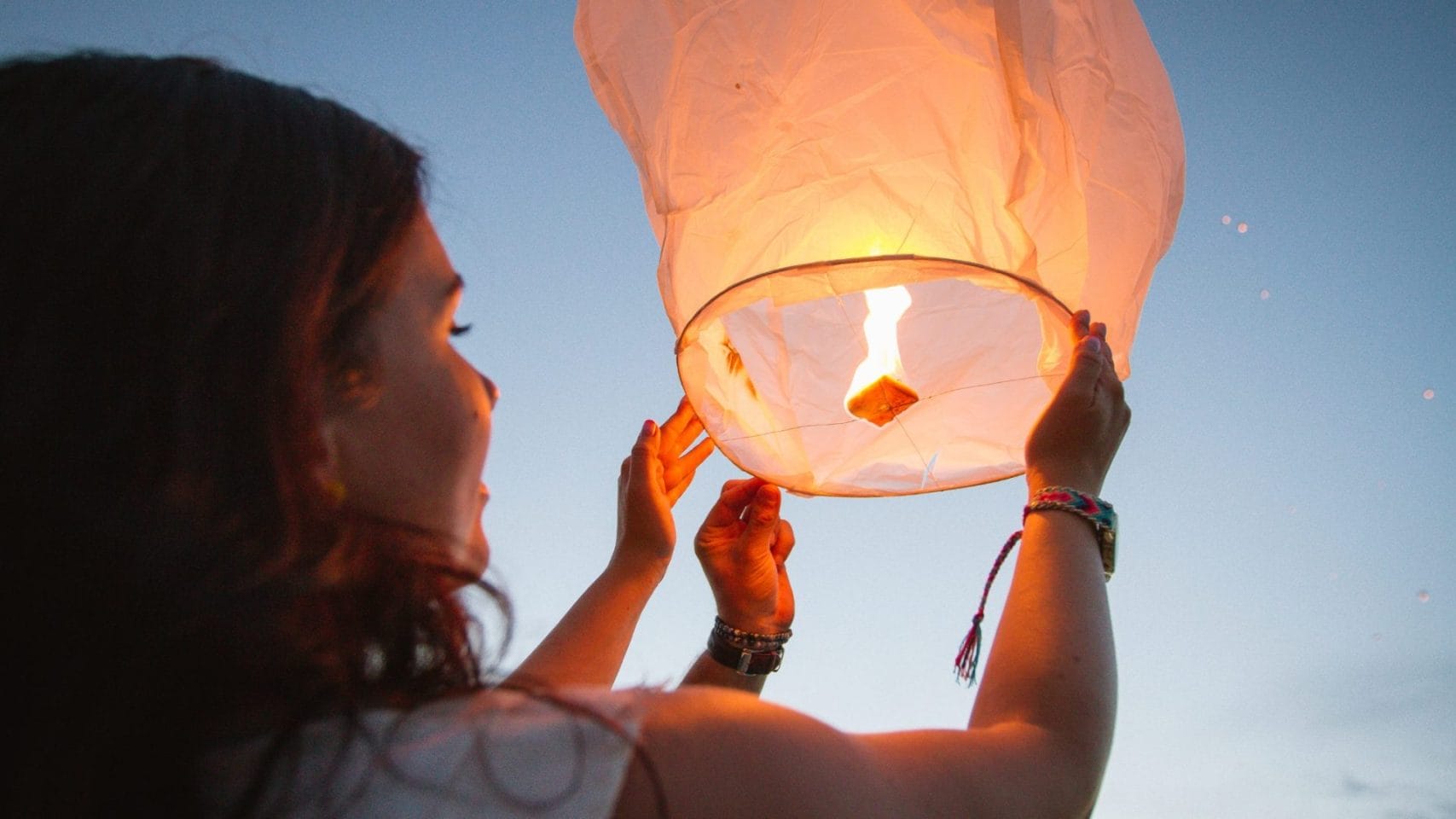
Families may choose a celebration of life when they want the service to feel more reflective of who their loved one was. The gathering may include favorite songs, family stories, photos, videos, food, hobbies, personal items, or a special activity that honors the person’s life.
A celebration of life can take place before or after burial or cremation. Many families choose to hold one after cremation because it gives them more time to plan.
What Makes a Celebration of Life Different?
A celebration of life usually focuses less on ceremony and more on remembrance. Families often design the gathering around what made their loved one unique.
Common elements may include:
- A favorite meal or dessert
- A playlist of meaningful songs
- A photo slideshow or tribute video
- A memory table with personal items
- Shared stories from family and friends
- A candle lighting or toast
- A tree planting or ash scattering ceremony
- A casual gathering at home, outdoors, or at a favorite place
A celebration of life can feel joyful, quiet, emotional, or simple. The family sets the tone based on what feels right.

Can You Have a Service After Direct Cremation?
Yes. Many families choose direct cremation and then hold a memorial service or celebration of life afterward.
Direct cremation does not limit your options. It often gives families more time and flexibility to plan a meaningful service.
Direct cremation gives families the freedom to separate the cremation process from the service itself. Instead of planning everything within a few days, families can take more time to gather relatives, choose a location, collect photos, create a tribute video, or decide how they want to honor their loved one.
At Birdsong Cremations, many families choose simple, transparent direct cremation first and then plan a personal gathering in their own time. Some families hold a traditional memorial service at a church or funeral home. Others choose a celebration of life at home, in a park, at a restaurant, or in another meaningful place.
This approach can help families focus on what matters most: creating a gathering that reflects their loved one and brings family and friends together.
Which Option Is Right for Your Family?
The right choice depends on your loved one’s wishes, your family’s traditions, and the kind of gathering that feels most comforting.
A funeral may feel right if your family wants a more traditional service before burial or cremation. This option often works well for families who want a religious service, a formal goodbye, or a structured time for everyone to gather.
A memorial service may feel right if your family wants more time to plan. This option gives relatives time to travel, gather photos, prepare readings, or choose a location that feels meaningful.
A celebration of life may feel right if your family wants a more personal gathering centered around stories, music, photos, food, hobbies, or shared memories.
Questions to Ask Before Choosing
Before deciding what type of service feels right, your family may want to ask:
- Did our loved one share any wishes?
- Do we want a formal or informal gathering?
- Do faith, culture, or family traditions matter in this decision?
- Do relatives need time to travel?
- Would cremation before the service give us more flexibility?
- What kind of gathering would feel most comforting?
- Do we want something quiet, personal, traditional, or more casual?
You do not have to choose based on what other families do. The best option is the one that gives your family space to honor your loved one in a way that feels right.
Can You Combine These Types of Services?
Yes. Many families combine parts of a funeral, memorial service, and celebration of life to create something that fits their loved one and the people gathering to remember them.
For example, a family may hold a small private goodbye first, choose direct cremation, and then plan a larger celebration of life later. Another family may have a religious memorial service followed by a meal, music, photos, and shared stories.
You do not have to fit your plans into one category. A service can include traditional elements, personal touches, faith-based moments, casual gathering time, or a mix of all of these.
The most important thing is choosing a format that helps your family remember, honor, and support one another.
Frequently Asked Questions
Is a memorial service the same as a funeral?
No. A funeral usually takes place before burial or cremation and often follows a more traditional format. A memorial service usually happens after burial or cremation and gives families more flexibility with timing, location, and personal details.
Can you have a celebration of life after cremation?
Yes. Many families hold a celebration of life after cremation. This gives them more time to choose a location, gather photos, invite relatives, create a tribute video, or plan a gathering that reflects their loved one’s personality.
Does direct cremation mean you cannot have a service?
No. Direct cremation does not prevent your family from having a service. Many families choose direct cremation first and then hold a memorial service, celebration of life, private remembrance, ash scattering, or family gathering afterward.
Is a celebration of life religious?
A celebration of life can include religious elements, but it does not have to. Some families include prayers, scripture, or a pastor. Others focus on stories, music, photos, food, hobbies, and personal memories.
Is a funeral more formal than a celebration of life?
A funeral usually feels more formal and structured. A celebration of life often feels more personal and relaxed. However, your family can shape either service around your loved one’s wishes, beliefs, and personality.
Can a family have both a memorial service and a celebration of life?
Yes. A family can hold a memorial service and later host a celebration of life, or they can combine both into one gathering. For example, the service may include prayers and readings, followed by music, food, photos, and shared stories.
Final Thoughts: Choose the Service That Feels Right for Your Family
A funeral, memorial service, and celebration of life can all give families a meaningful way to honor someone they love. The difference comes down to timing, tone, structure, and the kind of gathering that feels right for your family.
Some families want tradition. Others need more time, more flexibility, or a setting that feels personal and relaxed. You do not have to choose what everyone else expects. You can choose the option that reflects your loved one’s life and gives your family space to remember with care.
Birdsong Cremations helps families in Houston and surrounding areas with simple, transparent direct cremation and personal support through each step of the arrangement process.