
When someone dies in Houston, the first step depends on where the death occurred and whether the person was receiving hospice care. For an unexpected death at home, call 911. If the person was under hospice care, call the hospice nurse. When a death occurs in a hospital, nursing home, or other care facility, staff will confirm the death and ask which funeral home or cremation provider the family has chosen.
After a medical professional or hospice nurse confirms the death, the selected provider can coordinate transportation, guide the family through the required paperwork, and explain what happens next.
This guide explains who to call, what information to gather, and the immediate steps Houston families can take during the first hours after a death.
What Should You Do First After Someone Dies in Houston?
The first step depends on where the death occurred. A medical professional or hospice nurse must confirm the death before the funeral home or cremation provider can begin transportation and arrangements.
In most situations:
- If the death occurs unexpectedly at home, call 911.
- If the person was receiving hospice care at home, contact the hospice nurse.
- If the death occurs in a hospital, nursing home, or other care facility, staff will confirm the death and ask which provider the family has chosen.
After the death has been confirmed, the family can contact the selected provider and begin making arrangements online, by phone, or in person. If no provider has been chosen, they can compare options before deciding who will care for their loved one.
The next steps will depend on the circumstances of the death, which the following sections explain in more detail.
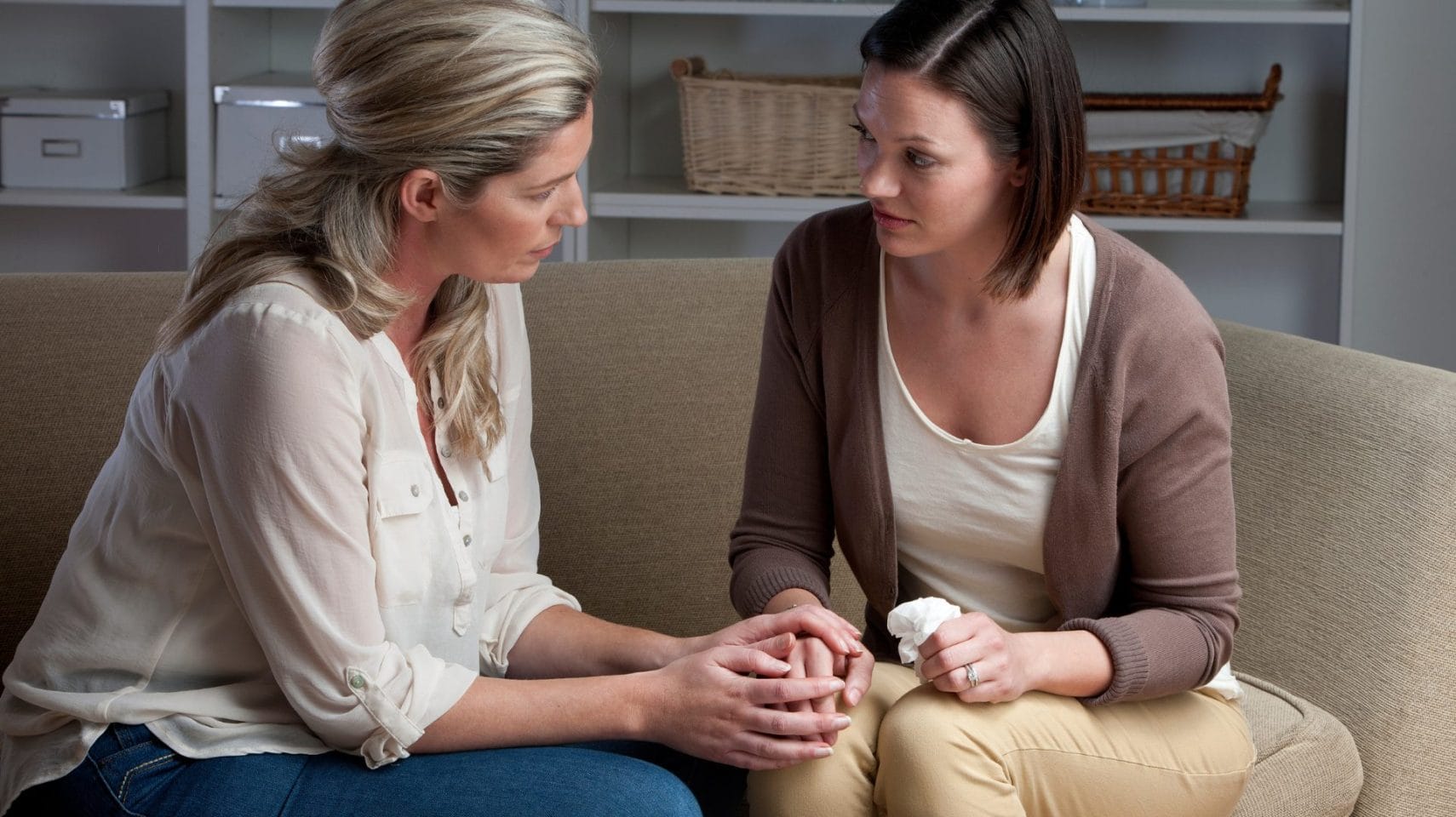
Knowing Who to Call Makes the First Step Easier.
If Someone Dies at Home Without Hospice
If someone dies at home and was not receiving hospice care, call 911. The dispatcher will ask what happened and may give you instructions while emergency personnel are on the way. Stay on the line until the dispatcher tells you it is safe to hang up.
Paramedics and law enforcement may respond to the home. In cases involving an unexpected, sudden, or unexplained death, authorities may contact the Harris County Institute of Forensic Sciences. An investigator may gather information from family members, law enforcement, and medical providers before deciding whether further investigation is necessary.
Do not move your loved one or remove medications, medical equipment, or other items from the area unless the dispatcher or responding authorities tell you to do so.
After authorities release your loved one, the family can choose a funeral home or cremation provider. The provider will coordinate transportation and explain the next steps.
If Someone Dies at Home Under Hospice Care
When someone dies under hospice care, call the hospice nurse instead of 911. The nurse will come to the home, confirm the death, and explain what the family should do next.
The hospice team will usually contact the funeral home or cremation provider the family has chosen. If no provider has been selected, the family can make that decision after the nurse arrives.
Families may spend time with their loved one before transportation takes place. The hospice nurse can also explain what to do with medications, medical equipment, and other items in the home.
Once the family is ready, the funeral home or cremation provider will coordinate transportation and begin the arrangements.
If Someone Dies in a Hospital or Care Facility
When someone dies in a hospital, nursing home, assisted living community, or other care facility, staff will confirm the death and notify the family. They will also ask which funeral home or cremation provider the family has chosen.
After the family selects a provider, the facility will complete its release procedures and coordinate with that provider. The funeral home or cremation provider will then arrange transportation and explain the next steps.
The process may differ when someone dies in a nursing home, depending on the facility, the person’s medical history, and whether hospice was involved.
If the family has not chosen a provider, they can compare services, pricing, and availability before deciding who will care for their loved one.

Choosing a Funeral Home or Cremation Provider
After the death has been confirmed, the family must choose a licensed funeral home or cremation provider to care for their loved one. The funeral home will coordinate transportation, complete the required paperwork, arrange the cremation, and return the ashes to the family.
Before making a decision, compare pricing, services, availability, and communication. Ask what the quoted price includes, whether additional fees may apply, and whether one person will guide you throughout the arrangements.
Choosing a cremation provider in Houston starts with finding a funeral home that offers clear pricing, patient communication, and a team that explains each step without pressure.
Once the family selects a funeral home, arrangements can begin immediately.
What Information Will the Funeral Home Need?
When you contact a funeral home or cremation provider, having a few basic details available can help the arrangement process move more smoothly. Don’t worry if you don’t have every answer right away—the staff will guide you through each step.
You may be asked for:
- Your loved one’s full legal name
- Date and place of death
- Date of birth
- Social Security number, if available
- The name of the hospital, hospice agency, nursing home, or other location where the death occurred
- Your contact information and your relationship to your loved one
- Information about the person legally authorized to make cremation decisions
Depending on the circumstances, the funeral home may also ask for additional information needed to complete the death certificate and other required paperwork. You can learn more about the documents needed to start cremation in Houston before beginning the arrangement process.
Most families don’t have every document immediately available. If something is missing, the funeral home will explain what is needed and help you gather it as the arrangements move forward.
Who Should You Notify After a Death?
After the immediate arrangements are underway, the family can begin notifying the people and organizations that need to know about the death. You do not have to handle everything at once. Start with the most urgent contacts, then work through the remaining accounts and responsibilities over time.
You may need to notify:
- Close family members and friends
- The person’s employer
- Social Security
- Life insurance companies
- Banks and credit card companies
- Mortgage companies, landlords, and utility providers
- Veterans Affairs, if the person served in the military
- Attorneys, accountants, or financial advisors
In many cases, the funeral home or cremation provider will report the death to Social Security on the family’s behalf. Families should still understand who notifies Social Security when someone dies and whether any additional steps are required.
Keep copies of important documents and make a list of each organization you contact. Some companies may require a certified death certificate before they can close an account, release benefits, or transfer ownership.
How to Secure the Home and Personal Property
If your loved one lived alone, take a few simple steps to protect the home and personal belongings. You do not have to do everything immediately, but securing the property early can help prevent problems later.
Consider the following:
- Lock all doors and windows.
- Collect house keys, garage door openers, and spare keys if possible.
- Make sure pets have food, water, and someone to care for them.
- Remove perishable food if the home will be vacant for several days.
- Pick up mail and packages or request a temporary mail hold.
- If appropriate, ask a trusted friend, neighbor, or family member to check on the home regularly.
- Locate important documents, such as insurance policies, wills, military discharge papers, and financial records, and store them in a safe place.
Avoid giving away personal belongings or making major financial decisions immediately after a loss. Taking time to understand your loved one’s wishes and legal responsibilities can help prevent misunderstandings later.
What Happens After Your Loved One Is Taken Into Care?
After your loved one is taken into Birdsong Cremations’ care, a dedicated case manager will guide the family through the next steps. This includes completing the required paperwork, confirming vital information for the death certificate, reviewing the cremation authorization, and answering questions throughout the process.
Birdsong Cremations coordinates transportation, prepares the necessary documents, and keeps the family informed as arrangements move forward. Families can complete arrangements online, by phone, or in person.
Once the paperwork and payment are complete, Birdsong will schedule the cremation. Afterward, Birdsong carefully prepares the ashes and returns them to the family through the selected return option.
Families often want to know what happens during cremation, including how identification is maintained and how the ashes are prepared for return.
Frequently Asked Questions
Who should I call first when someone dies at home in Houston?
If the death was unexpected and the person was not receiving hospice care, call 911. If the person was under hospice care, call the hospice nurse. The next step depends on the circumstances and where the death occurred.
Do I need to choose a funeral home immediately?
You do not have to make every decision at once, but the hospital, hospice provider, nursing home, or authorities will need to know which funeral home or cremation provider should care for your loved one. Take time to compare pricing, services, availability, and communication before choosing.
Can a funeral home transport my loved one before arrangements are complete?
In many cases, yes. After the proper authority confirms the death and releases your loved one, the selected funeral home can coordinate transportation. The family can then complete the required paperwork and make final arrangements.
What documents should I gather after someone dies?
Start with your loved one’s full legal name, date of birth, Social Security number, marital information, military records, and details about the place of death. The funeral home will explain what else is needed for the death certificate and cremation authorization.
Who has the legal right to authorize cremation in Texas?
Texas law establishes an order of priority for who can legally make cremation decisions in Texas. Depending on the circumstances, that person may be a designated agent, surviving spouse, adult child, parent, or another relative.
How soon can cremation take place after someone dies?
The timeline depends on how quickly the doctor signs the death certificate, the required authorizations are completed, and any medical examiner involvement is resolved. Cremation cannot take place until the funeral home receives the required approvals and permits.
What does Birdsong Cremations handle for the family?
Birdsong Cremations coordinates transportation, prepares the required paperwork, assists with death certificate information, arranges the cremation, and returns the ashes to the family. A dedicated case manager guides the family through the process and remains available to answer questions.
Final Thoughts
The first hours after someone dies can feel overwhelming, but families do not have to handle every decision at once. Start by contacting the appropriate medical professional, hospice nurse, or emergency services. Once the death has been confirmed, choose a licensed funeral home or cremation provider that communicates clearly and explains each step.
Birdsong Cremations helps Houston families coordinate transportation, complete the required paperwork, arrange the cremation, and return the ashes with care. A dedicated case manager remains available throughout the process, so families always know what to expect next.
Whether your loved one passed away at home, in a hospital, or under hospice care, compassionate guidance is only a phone call away.